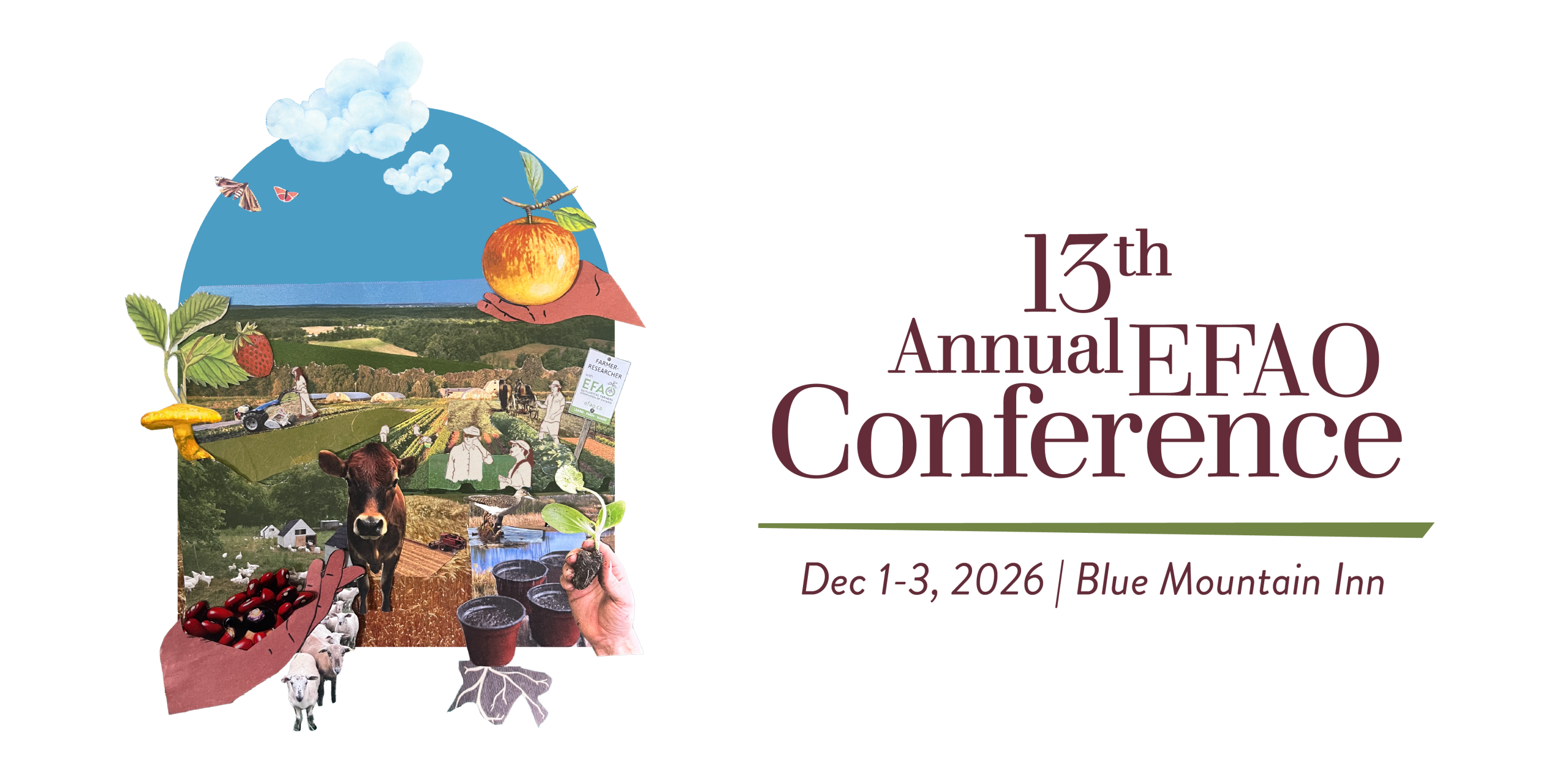


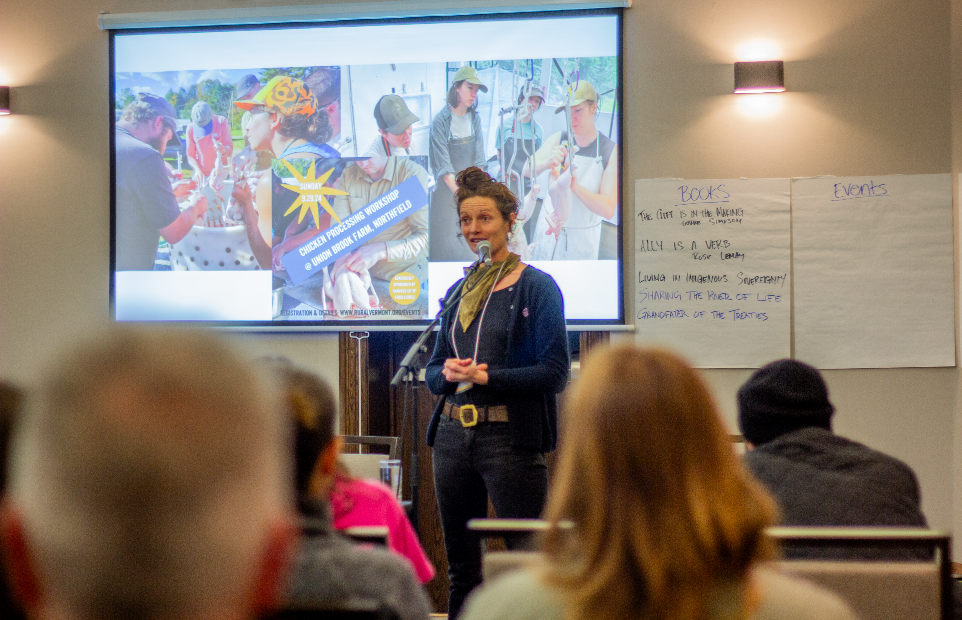
This year’s program promises another wonderful event of over 35 sessions across three days. Join us for one, two or all three days of the EFAO Conference!
MORNING
10 AM
Virtual Research Symposium
The Research Symposium is an online gathering where EFAO members share their findings and insights from the 2026 research season.
This year you will hear about multi-farm trials with the Living Lab – Ontario, including:
- No-till potato using deep mulch
- Plant available nitrogen from cover crops
- No-till winter squash with mulch
Along with farmer-led research projects focused on:
- Molokhia, flax and eggplant variety trials
- Wool as a mulch
- Dry bean, broccoli and zinnia screening trials
- Ecological thistle control methods
- Fish hydrolysate efficacy
Free admission to the research symposium is included with a pass to the 2026 EFAO Conference. You can also register here.
MORNING
10 AM – 12:30 PM
Regional Farm tours
The New Farm Centre, Fiddlehead Nursery, Good Family Farms
AFTERNOON
12:30 PM
Lunch
Join us for a conference lunch featuring local, seasonal, ecologically-produced ingredients.
INTENSIVE SESSION | 2 – 5:30 PM
Finding Profitability in Tough Times
Times are a little rough out there – every single thing you are purchasing is more expensive. You may feel that you’ve reached the highest price point you can reasonably expect to get in the market. So now what? Let’s look methodically at all the areas of your business where we might be able to squeeze out more profit. Ellen will provide a guide to systematically look at what levers you have to pull as you steer towards higher profitability: Grow more, Sell more, Grow better, Labor efficiency, Pricing. This workshop is intended for experienced growers and it will be interactive – we will brainstorm specifics in each “lever”. (Less experienced growers are welcome to attend and listen in!)
Grazing for a Thriving Farm Ecosytem
What if grazing was about more than feeding livestock? Drawing on Peter Allen’s work at Mastodon Valley Farm, this session explores how thoughtfully managed grazing can help regenerate the whole farm ecosystem. From building healthy soils and improving water cycling to integrating livestock, perennial pastures, trees, and diverse habitats, discover how farmers can work with natural ecological processes to build resilient, biodiverse, and productive landscapes. Participants will explore how a whole-farm approach can connect ecological restoration with viable farm enterprises.
Indigenous Food Sovereignty: Our Relationships and Responsibilities to the Land
What does Indigenous food sovereignty mean for how we grow, harvest, care for, and share food, and for our relationships with the land and each other?
Led by Dawn Morrison (Secwépemc), founder and curator of the Working Group on Indigenous Food Sovereignty (WGIFS), this interactive workshop introduces the four key principles of Indigenous food sovereignty and their connections to farming, land stewardship, and community wellbeing.
Drawing on the From the Ground Up Indigenous Food Sovereignty Toolkit, Indigenous and non-Indigenous participants will reflect on their relationships to land, food, and community, and on the different roles each of us can play. Dawn will share photographs and stories from WGIFS’s work on the ground and in their garden.
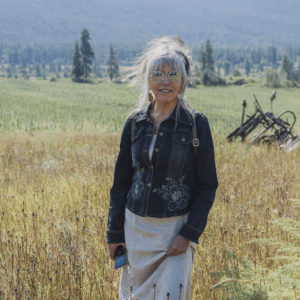 DAWN MORRISON |
Growing Organic Field Crops
More information TBA
EVENING
6:00 PM
Welcome Dinner
Gather with other conference participants on Tuesday evening to reconnect and chat over a casual welcome dinner. Tickets are available for purchase in advance.
7:30 PM
Keynote: Indigenous Food Systems Thinking Is Regenerative Thinking
Dawn Morrison has spent decades shaping how Indigenous food sovereignty is understood and practised across these lands, through the Wild Salmon Caravan, the Indigenous Food and Freedom School, and her work to dismantle structural racism in the food system.
In this evening keynote, Dawn reflects on what it means to decolonize and Indigenize “regenerative” agriculture. She’ll speak to a simple, powerful idea: Indigenous peoples have always practised regenerative food systems, long before the word existed.
Keynote is open to all conference attendees, even without the purchase of a Tuesday dinner ticket.
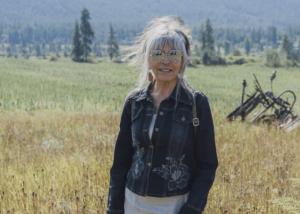 DAWN MORRISON |
MORNING
7:30 AM – 8:30 AM
Breakfast
Whether you’re staying overnight or arriving early, start your day off right with a buffet breakfast specially prepared for conference guests. Advanced purchase of tickets is required.
7:30 AM – 9 AM
Registration
8:45 AM – 10 AM
Keynote: Examining the Connection Between Indigenous Cultural Knowledge, Forest Degradation and Climate Changes in Canada with Dr. Andrew Judge
In this keynote presentation Anishinaabe and Irish scholar Mkomose (Andrew Judge, PhD) will offer insights into holistic frameworks found within Indigenous cultural knowledge, specifically knowledge related to his Anishinaabek Ancestors. Throughout the presentation audience members will learn how threats to this knowledge are directly resulting from current and impending climatic changes and the corresponding forest degradation in Canada’s 8 forest types. Throughout this presentation Mkomose will offer insights into strategies for improving both ecosystems and cultural connectedness through the restoration of ethnobotanical teachings found within Indigenous cultures.
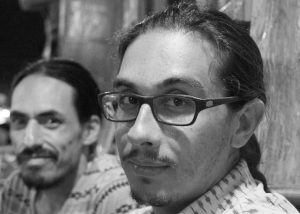 ANDREW JUDGE |
10 AM – 10:30 AM
Break
Light refreshments are available.
SESSION 1 | 10:30 AM
In Conversation with Dawn Morrison
A more intimate, conversational session. Dawn explores social positionality and cultural safety: how where we stand shapes how we show up in relationship with Indigenous growers, communities, and land.
She’ll also open up a question many Indigenous farms are living with right now: labour and human capacity. Who does the work, how is it sustained, and what kind of support actually helps? Open to everyone, and especially valuable for farmers, organizations, researchers, and funders who want to support Indigenous food sovereignty in ways that are respectful, accountable, and non-extractive. Bring your questions.
In conversation with Celeste Smith
Multi-Species Grazing
Join Peter Allen of Mastodon Valley Farm for a practical exploration of multi-species grazing and its role in building a resilient, productive whole-farm ecosystem. Learn how integrating different livestock species can support pasture health, improve nutrient cycling, and strengthen ecological function while contributing to farm viability. Explore how a systems-based approach to grazing can help farmers work with natural processes to build healthier soils, more diverse landscapes, and resilient farm businesses.
Farm Diversification is a Double-Edged Sword
Everywhere you look the literature and media are telling us that being a diversified operation is a well worn path to success. Yes, And you can take it so far that you actually aren’t very good at anything, and you certainly can’t keep track enough to find out. Let’s dig into diversification – are there other ways to achieve the resilience that it promises without making yourself crazy with too many details?
Cool as a Cuke: Strategies for Successful Cucumber Production
No matter how you slice it, cucumbers are a staple crop for market gardeners. Join OMAFA crop specialist, Elaine Roddy and a panel of growers to dive into how to grow great cucumbers and extend the harvest season to make the most of this important crop. We’ll cover topics such as variety selection, pruning and trellising, pest and disease management and greenhouse vs. field production. Come equipped with your burning cucumber questions!
Growing Change: Balancing Farming and Community Engagement
We hear from many farmers in our community that they got into growing food because they want to make a positive difference in the world. Farming is hard work, it takes up more time and energy than exists, and yet we still feel inspired by EFAO members who find ways to go above and beyond growing food to being actively engaged in giving back to the community — directly with food supports and through advocacy efforts.
Hear from a panel of busy farmers who work to find (imperfect) balance between their responsibilities on the farm and dedication to their community.
AFTERNOON
12 PM – 1:30 PM
Lunch
Join us for a conference lunch featuring local, seasonal, ecologically-produced ingredients.
12 PM – 1:30 PM
Meet-up for the Farmers Network for Black, Indigenous and People of Colour
Let’s catch up after a busy season! Grab your lunch and join us for some in-person time, build community, relax, share stories, challenges and laughter with new and old friends. For current / former / aspiring farmers, food growers or producers and land stewards. Look for our tables with signage in the ballroom.
12:15 PM – 1:15 PM
Book Launch: The Profitable Farmer: Strategic Business Planning for Profit, Purpose, and Quality of Life by Daniel Brisebois and Julia Shanks
More information TBA
SESSION 2 | 1:30 PM – 3 PM
From Food Forests to Food Sovereignty: Seven Steps to Ecological Restoration
This workshop will share a practical seven step strategy for restoring ecosystems based on wisdom found within several Indigenous civilizations across Turtle Island with emphasis on the pre-contact food forest designers of Southern Ontario. Upon completion of this workshop participants will gain baseline awareness of many critical factors and strategies related to implementing Indigenous knowledge based land restoration strategies, on varying scales, and in varying habitat types. These strategies can move individuals and communities closer to establishing viable foodscapes and lead to ecological recovery that benefits all relations. Working in groups, participants will have the opportunity to develop and present a preliminary plan that considers the seven steps and gain feedback regarding considerations in moving closer to becoming food sovereign.
Scaling up Small Scale Poultry Production
For producers taking a hard look at scaling up pastured poultry production and wanting to ensure the margins make sense. Hear the experiences of a panel of farmers who participate in the Artisanal Chicken Program through the Chicken Farmers of Ontario, raising between 600-3000 birds per season. We will discuss infrastructure needs from brooding to grow out, models of managing birds on pasture, a breakdown of input costs from feed to butchering, where and how farmers are marketing their birds and the biggest challenges that threaten the profitability of pastured poultry on not such a small scale.
Where Do You Want to Grow? Creating a Five-Year Farm Plan
More information TBA
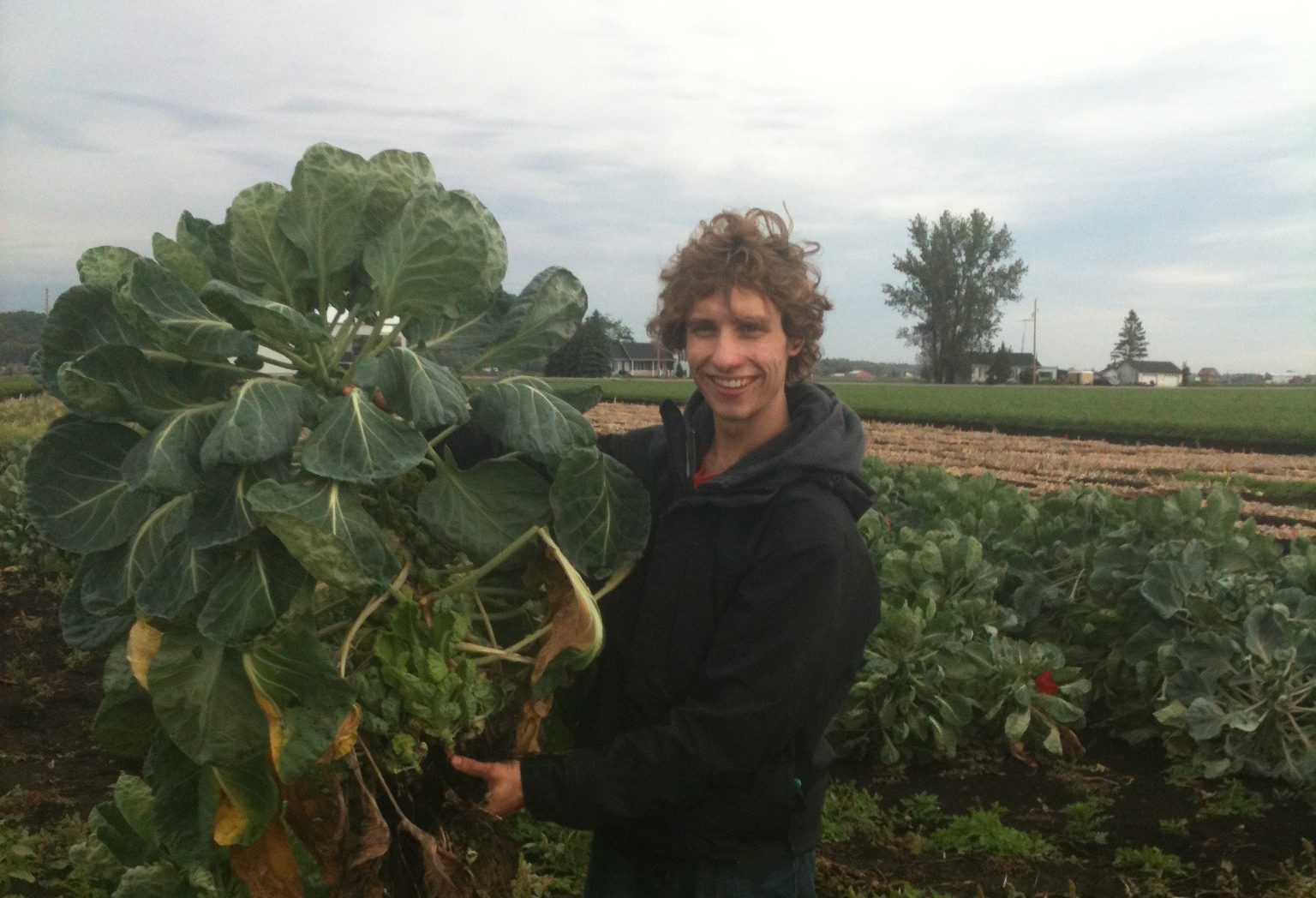
Strategies for Growing Brassicas Successfully
Consistently growing quality head Brassicas (broccoli, Brussels sprouts, cabbage, and cauliflower) in Ontario is challenging. Even leafy Brassicas like kale or mustard greens can be difficult. This workshop will focus on cultivar selection and some production requirements to set you up for success. A large portion of the workshop will be focused on properly identifying unfamiliar pests and pathogens and what management strategies can be implemented to prevent and/or manage future outbreaks from occurring. Join us as we dig deep into the main pests that hindered Brassicas in Ontario in 2026 and how you can slow them down in 2027.
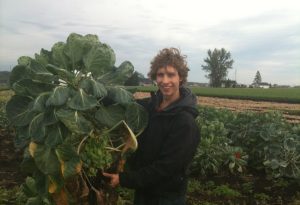 TRAVIS CRANMER |
A Cut Above: Selecting & Sourcing Varieties for Better Blooms
Presenters will discuss tried and true and trending cut flower varieties, including annuals, perennials, spring flowering bulbs and other speciality flowers. Discussions will include where to source, particular market uses (farmers market, special events etc) and things to consider when adding these blooms to your production.
3 PM – 3:30 PM
Break
Light refreshments provided.
SESSION 3 | 3:30 PM – 5 PM
From Food Forests to Food Sovereignty: Seven Steps to Ecological Restoration (Continued)
(This is a continuation of the 1:30 PM – 3 PM session. Participants are encouraged to attend both sessions.) This workshop will share a practical seven step strategy for restoring ecosystems based on wisdom found within several Indigenous civilizations across Turtle Island with emphasis on the pre-contact food forest designers of Southern Ontario. Upon completion of this workshop participants will gain baseline awareness of many critical factors and strategies related to implementing Indigenous knowledge based land restoration strategies, on varying scales, and in varying habitat types. These strategies can move individuals and communities closer to establishing viable foodscapes and lead to ecological recovery that benefits all relations. Working in groups, participants will have the opportunity to develop and present a preliminary plan that considers the seven steps and gain feedback regarding considerations in moving closer to becoming food sovereign.
Beyond the Fence: Getting Started with E-collars for Grazing
E-collars offer a promising new tool for farmers to manage grazing on pasture with flexibility and adaptability. The use of E-collars has a number of benefits including allowing for frequent grazing rotations, excluding livestock from sensitive environmental areas, eliminating the need for fence installation and repair and improved tracking for herd health. Hear from farmers in the beginning stages of introducing E-collars into their operation about overhead costs, training livestock to the collars, animal welfare, and unique opportunities as well as new challenges this technology presents. Information about grants available to farmers interested in introducing E-collars to their farms will also be available at this practical session.
The Long Story of Breeding: Growing, Selecting, Learning and Growing Again
Great varieties don’t happen overnight—they’re seasons in the making! Join farmer-plant breeders for a behind-the-seeds look at the twists, turns, happy accidents and hard-won successes of farmer-led plant breeding. These growers aren’t just breeding for their own farms—they’re helping grow a whole new generation of vegetable varieties for Canada’s ecological farming community! Through stories from EFAO breeding projects and CANOVI, Canada’s national organic vegetable breeding initiative, discover how farmers are developing crops with better flavour, beautiful colours, greater resilience and the traits that matter most to ecological growers. From promising crosses and evolving landraces to surprising setbacks and delicious discoveries, we’ll explore the creativity, collaboration and persistence behind every new variety. There may even be a chance to put your taste buds to work! Whether you’re already saving and selecting seeds or just curious about giving plant breeding a grow, come discover how farmers are sowing the seeds of a more resilient, delicious and farmer-driven food system.
Finding the Sweet Spot with Sweet Potatoes
Sweet potatoes are a popular crop for consumers but require some finesse to grow them productively and profitably in our climate. Learn from a panel of farmers successfully growing sweet potatoes across Ontario. We’ll explore how to select suitable varieties, propagate or source good slips, decide on a production system, and cure tubers for successful storage.
From Wheel Hoes to Cultivating Tractors: Tools & Systems for Successful Weed Control and Other Mechanisation Victories at Any Scale!
Ryan, Reid and Andrew have all run their own mixed vegetable farms and appreciate that mechanizing tasks means improved income, less uncomfortable work and happier crews. This team now works together at Thiessen Tillage advising and equipping Canadian farmers. They will discuss the ideal steps to layout a farm to accept mechanization as well as a framework to evaluate which tools will be best suited for your farm. Drop by to hear about many tool successes as well as some tools that never should have been bought.
EVENING
5 PM – 6:30 PM
Reception & Tasting
All are invited to a wander the Trade Show, connect with other conference attendees and taste some local products.
6:30 PM – 8 PM
Banquet Dinner
A delicious buffet-style banquet meal highlighting local ecological growers and seasonal ingredients. A true celebration of the incredible bounty produced by the EFAO community!
8 PM – 9 PM
Constantly Curious Awards & Celebrating the International Year of the Woman Farmer
More information TBA
MORNING
7:30 AM – 8:30 AM
Breakfast
Whether you’re staying overnight or arriving early, start your day off right with a buffet breakfast specially prepared for conference guests. Advanced purchase of tickets is required.
7:30 AM – 9 AM
Registration
8:45 AM – 10 AM
Keynote: Rooted, Resilient, Adapting with Tourne-Sol Cooperative Farm
More information TBA
10 AM – 10:30 AM
Break
Light refreshments available.
SESSION 1 | 10:30 AM – 12 PM
Around the Table with Tourne-Sol Cooperative Farm
More information TBA
Made to Burn: Wildfires, Colonial Policy & Indigenous Fire Stewardship
More information TBA
Making Your Voice Heard: How Farmers Can Have Effective Meetings with Elected Representatives
Build confidence and develop effective strategies for meeting with elected representatives and government officials about the policies that matter to you, your farm and your community. This practical, interactive workshop, led by a trusted and experienced government relations professional will explore how to prepare for meetings, communicate key messages, build productive relationships with decision makers, and make clear policy/program requests, using real-world examples including new entrant policy work.
Mulchapalooza: Shear Excitement!
Helen, Valerie and Lindsey will weave together history, current supply chain conditions and research to share a yarn about wool as mulch! Helen will share about how mulching with waste wool is a historical practice with more recent research interest by the sheep industry. Lindsey will share her experience of interacting with the wool industry to make her wool mats, the benefits of using wool, and her trial of wool mats and waste wool at Silver Creek Nurseries. Lastly, Valerie will share results from a group of three farms that trialed wool as a mulch in 2026 with the Farmer-Led Research Program and share other relevant research she came across in preparing for her trial.
Keeping Fruit Trees, Restoring Health to the Orchard
Tips and techniques from a panel of fruit tree experts on how to restore health to your orchard. With a focus on apple trees, but applicable to other fruit trees as well, learn how to assess the health of fruit trees and implement techniques for enhancing productivity. Dive into how to nurture the understory for optimal soil health, different pruning techniques and timing, and troubleshooting pests and diseases in the orchard. Bring your fruit tree questions and come ready for a practical session on ecological orchard management.
AFTERNOON
12 PM – 1:30 PM
Lunch
Join us for a conference lunch featuring local, seasonal, ecologically-produced ingredients.
12 PM – 1:30 PM
Seed Growers Meet-up
This informal lunch gathering is a unique opportunity for seed growers, on-farm breeders, and anyone passionate about seed work to connect face-to-face. Whether you’re a seasoned grower or just starting out, this meet-up is a chance to learn from each other, celebrate the joys and challenges of seed saving, breeding, and production, and discuss the vital role we play in building resilient seed systems. Let’s enjoy a shared meal, foster lasting connections, and support one another in cultivating high-quality, diverse seeds to meet the needs of our communities! Grab your lunch and look for the labelled tables in the ballroom. Folks interested in also attending the Meet-up for 2SLGBTQIA+ Farmers and Land Stewards are welcome to drop by both spaces over the lunch hour.
12 PM – 1:15 PM
Meet-up for 2SLGBTQIA+ Farmers and Land Stewards
Welcome all 2SLGBTQIA+ farmers, farm-workers, ag enthusiasts and anyone who lives and works at the intersection of queerness, food and farming! Grab your lunch and come meet other queer and trans folks, chat about farming, and have fun. This is a casual, unstructured time to make connections with other farmers,ofr anyone who identifies as part of the 2SLGBTQIA+ community. Folks interested in also attending the Seed Growers Meet-up are welcome to drop by both spaces over the lunch hour.
SESSION 2 | 1:30 PM – 3 PM
Growing Together: A Conversation Among CSA Farmers
More information TBA
Sowing the Seeds of Partnership: Meet Your Seed Match
Could growing seed open up new opportunities for your farm? Let’s make some seedy connections! Whether you’re already growing seed, curious about how contract seed production could fit into your farm business, or ready to take the next step, this interactive matchmaking session is your chance to meet the people looking for growers. Hear directly from ecological seed companies about the crops they need, what they look for in a grower, and how contract seed growing works—from pricing and production expectations to cleaning, quality and contracts. Through a series of short, facilitated conversations, you’ll have the chance to explore opportunities, ask questions and make connections that could grow into future partnerships. You don’t need to be ready to grow seed next season—some of the best partnerships take time to cultivate! No contracts or commitments required—just an opportunity to plant the seeds of new relationships, explore ways to diversify farm income and help build a stronger Canadian ecological seed sector. Who knows? You might just meet your perfect seed match!
Friends, Foes & Everything in Between: Working in Harmony with Insects on the Farm
Ecological farmers strive to work in harmony with ecological cycles, including many insect pals. But what do you do when there are aphids eating your lettuce?! In this session, a cadre of growers will share their insect strategies, from the specific to the holistic and with an eye to how these strategies fit into the bigger picture of ecological farming. Each speaker will share one or more techniques they are using to support flourishing crops while minimizing insect pressures.
Cover Cropapalooza
Join the mulch party as Jesse and Reid share how they utilize cover crops and other mulches on their farms. They will share the techniques they use for their different scale vegetable operations and the equipment and techniques that make it happen. They will describe how these practices integrate into their overall nutrient management on their farms and contribute to their soil health.
Rooted in the Land: Indigenous Youth, Culture & Connection
More information TBA
3 PM – 3:30 PM
Break
Light refreshments available.
SESSION 2 | 3:30 PM – 5 PM
Ag Issues in Ontario: What's happening and how to get involved
More information TBA
The Next Season: Women and Aging on the Farm
For women farming at midlife and beyond, aging brings changes that rarely get talked about: perimenopause and menopause, shifting energy and recovery, and changes in memory, focus and mental stamina, all while the work stays physically and mentally demanding. After years of early mornings and long seasons, many of us are rethinking how we farm, scaling back, or considering a different path altogether. Join us for a women-centred round circle with plenty of space to share challenges, realities and strategies for farming into this next season of life, and to learn from one another’s experience.
What Treaty is Your Farm On?
More information TBA
Too Hot to Handle? Farming Safely in Extreme Weather
Farming in a time of climate change brings numerous added challenges, not the least of which is navigating farm health and safety in extreme weather. Wildfire smoke and extreme heat top the list, with other events such as storms and floods not far behind. Join this practical, farmer-led session to discuss how to develop and use/implement health and safety plans for farms and farmworkers in this climate context, how to mitigate health and safety concerns where possible, and how to make work planning decisions in difficult circumstances. This session doesn’t purport to know all the answers, but it will create a space to talk through practical realities and health impacts. The goal of the session will be to create a shareable resource that farmers can use as a template for health and safety plans on their own farms, and to build a stronger culture of farmer health and safety in rapidly changing conditions.
Basic Small Engine Repair & Maintenance
More information TBA
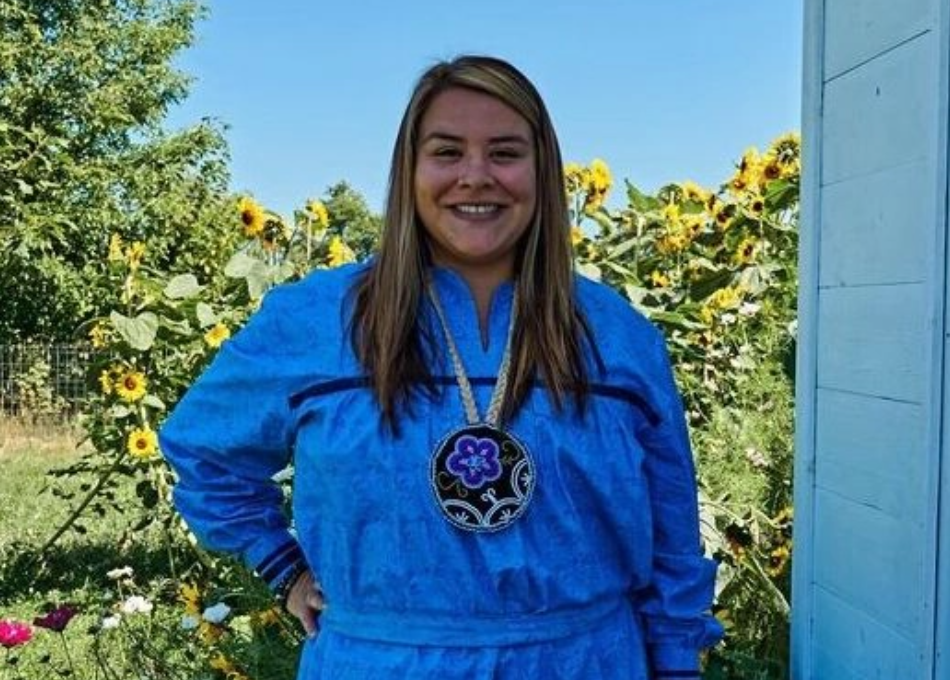
DENISE MILLER
Denise Miller, Cayuga Nation, Wolf Clan from Six Nations reserve, is the founder of Revitalizing our Sustenance Project and started her own produce business named Deyaoho:go’s Farm. which translates to “Flowers on a Hill” in the Cayuga language. Denise is full-time Teacher Assistant at Kawenni:io/Gaweni:yo School located on the Six Nations Reserve; a language immersion school that teaches the Cayuga and Mohawk languages. KG School also fosters cultural land-based education while teaching ceremonial knowledge to the students. As the Teacher Assistant, Denise experiments with the Ontario curriculum to implement Haudenosaunee identity, sovereignty, land/environment restoration, and food/seed sustainability. Denise has been growing food & saving Haudenosaunee seeds for 5 years now while implementing various Indigenous-led workshops or events in the community. She is currently working on restoring 27 acres of farmland into a self-sustaining Haudenosaunee food system with pre-contact & modern methods, to help educate and encourage others to do the same!
My Speaker Sessions
Seed Rematriation Journey
9:45 AM | Tue, Dec 1, 2026
Seed Rematriation Journey
9:45 AM | Tue, Dec 1, 2026
TRAVIS CRANMER
My Speaker Sessions
Seed Rematriation Journey
9:45 AM | Tue, Dec 1, 2026
Seed Rematriation Journey
9:45 AM | Tue, Dec 1, 2026